TRAININGS
Research shows that when fathers and father figures are actively involved early, children benefit in meaningful ways. We offer training for community organizations, healthcare professionals, and government agencies to better understand, engage, and support fathers and father figures.
Trainings
-

1. ENGAGEMENT BEFORE INTERVENTION
What happens when the fathers you most need to engage are the least likely to trust the system trying to reach them?
Engagement Before Intervention is an interactive training designed for child welfare professionals, case managers, social workers, therapists, educators, court professionals, community health workers, and other service providers who work with fathers and families.
Fathers are often described as “uninvolved,” “noncompliant,” “absent,” or “hard to reach.” This training challenges professionals to look beyond the label and better understand the barriers, experiences, and perceptions that may be contributing to a father’s lack of engagement.
Participants will learn practical strategies for building trust, strengthening communication, navigating resistance, and engaging fathers who may have experienced trauma, family conflict, system involvement, or previous negative interactions with service providers. The training also addresses working with nonresident fathers, maintaining accountability, and using motivational engagement strategies without lowering expectations or excusing harmful behavior.
Through practical tools, real-world scenarios, and interactive discussion, participants will strengthen their ability to move beyond simply contacting fathers to creating meaningful connections that increase participation, accountability, and long-term engagement.
Before we can intervene effectively, we have to learn how to engage effectively.
-

2. THE MISSING PARENT
Creating Father-Inclusive Organizations, Programs, and Systems
Is your organization truly prepared to engage fathers as equal partners in the lives of their children?
Many organizations want fathers involved, yet their policies, practices, communication, and organizational culture may unintentionally make it difficult for fathers to fully participate. The Missing Parent is an interactive training designed for human service agencies, child welfare professionals, schools, healthcare providers, courts, community organizations, and other professionals serving children and families.
Participants will examine how intake and referral practices, case planning, communication, outreach, programming, staff assumptions, and organizational culture can influence father engagement. Through practical strategies and real-world examples, professionals will learn how to identify barriers, strengthen their approach to working with fathers, and create environments where fathers are recognized, welcomed, engaged, and held accountable as parents.
Participants will also complete InvolvedDad’s Father-Inclusive Organization Audit, providing an opportunity to assess current practices and identify specific areas for improvement.
Participants leave with practical tools and an actionable plan to strengthen father engagement within their organization.
Because you cannot expect fathers to consistently show up if the systems serving families are not intentionally creating space for them to participate.
-
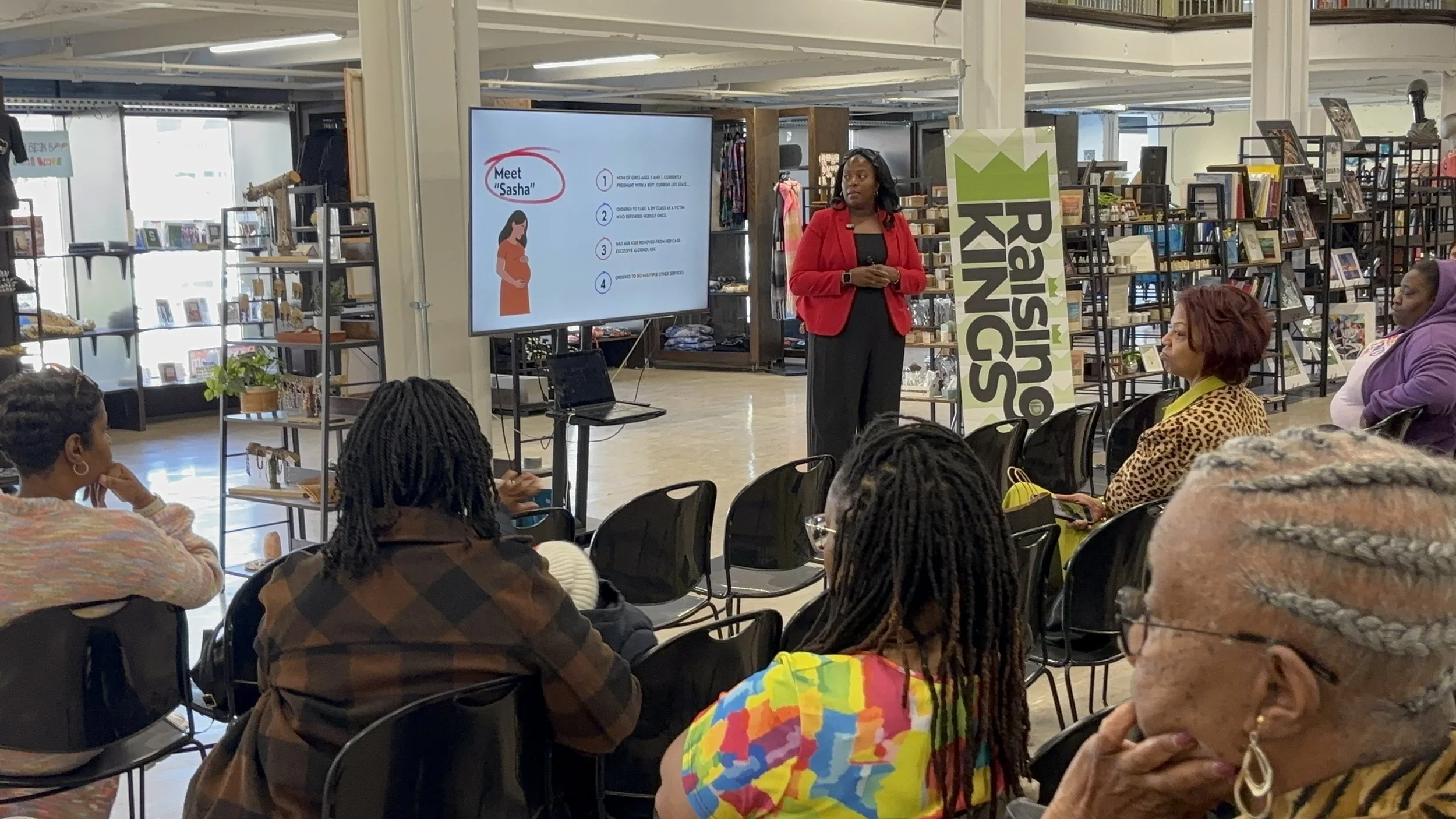
3. FROM REFERRAL TO RELATIONSHIP
Building Meaningful and Sustainable Father Engagement
Making a referral is easy. Creating a connection that keeps fathers engaged requires more.
From Referral to Relationship is an interactive training designed for child welfare professionals, court personnel, educators, healthcare providers, case managers, behavioral health professionals, and community-based organizations that want to improve how they connect fathers to services and sustain their involvement.
Participants will learn practical strategies for engaging fathers who may be navigating child support, CPS involvement, parenting-time challenges, employment barriers, family conflict, behavioral health needs, or previous negative experiences with systems.
The training introduces a practical framework for moving fathers through the engagement process: Identify → Engage → Assess → Connect → Collaborate → Follow Up → Sustain
Participants will learn the difference between simply providing a resource and creating a meaningful connection:
Referral: Providing information about a service.
Connection: Helping the father successfully access the service.
Engagement: Building the trust,value, and relationship that gives him a reason to remain involved.
Through real-world examples, interactive discussion, and proven engagement strategies, participants will strengthen their ability to collaborate across systems, reduce service gaps, improve follow-through, and help fathers remain connected to the resources their families need.
A referral is an action. Engagement is a relationship.
NEXT STEPS
If you’re interested discussing trainings and future scheduling, please contact our team.